
 (361) 289-6040
Importance of Proactive Evidence Gathering
A collision near the Port of Corpus Christi can create immediate uncertainty about medical care, insurance calls, vehicle repairs, and missed work. The area’s mix of passenger traffic, commercial vehicles, industrial operations, and freight movement can also mean that important evidence is held by businesses, drivers, law-enforcement agencies, or insurers—not just the people involved in the crash.
After addressing urgent medical needs and calling 911 when appropriate, preserving information early can help protect your ability to understand what happened and pursue a claim. A lawyer who handles vehicle-collision cases in the Corpus Christi area can help identify evidence that may be lost, overwritten, repaired, or discarded in the days following an accident.
Why Evidence Can Disappear Quickly
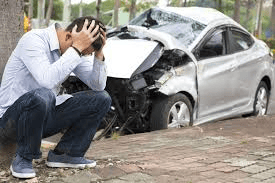
Crash scenes change fast. Damaged vehicles are towed, debris is removed, road conditions change, witnesses leave, and nearby surveillance footage may be overwritten under a business’s normal retention practices.
This can be especially important near port-related routes and industrial areas, where the crash may involve a commercial truck, contractor vehicle, cargo-related traffic, or a vehicle owned by a business. Depending on the circumstances, potentially relevant information may include electronic driving data, dispatch communications, maintenance records, inspection documents, GPS information, and driver qualification records.
A police report can be important, but it is not necessarily the complete record of a collision. Texas law requires an investigating law-enforcement officer to submit a written crash report to TxDOT when a crash results in injury, death, or apparent property damage of $1,000 or more. TxDOT serves as the state custodian of these records.
Evidence to Preserve at the Scene
If it is safe to do so, use your phone to document the conditions before vehicles are moved and the scene is cleared.
Helpful photographs or video may include:
- The position of all vehicles before removal, when possible.
- Damage to each vehicle from several angles.
- License plates, company names, DOT numbers, and vehicle markings.
- Skid marks, debris, broken glass, fluid trails, and damaged barriers.
- Traffic signs, signals, lane markings, construction zones, and lighting.
- Road surface conditions, standing water, weather, and visibility.
- Nearby businesses, intersections, cameras, or potential witnesses.
- Visible injuries and damaged clothing, helmets, or personal property.
Do not put yourself in danger to collect evidence. Stay out of traffic, follow emergency responders’ instructions, and prioritize treatment if you are injured.
For motorcycle riders, preserve the helmet, riding gear, gloves, boots, and motorcycle in their post-crash condition if possible. Damage patterns can sometimes help clarify force, point of impact, and the dynamics of the collision. A Coastal Bend motorcycle-injury legal team may help arrange documentation or inspection before important items are repaired, discarded, or released.
Get Names, Contact Details, and Report Information
Witness testimony can become harder to obtain with time. If you are physically able, ask witnesses for their names, phone numbers, email addresses, and a brief description of what they saw. If an officer responds, request the officer’s name, agency, badge number, and the crash report or incident number.
Texas crash reports are maintained by TxDOT, and people directly involved in a crash—or their authorized representatives—may request a report upon written request and payment of the required fee.
Keep all documents related to the crash in one place, including:
- The police-report reference number.
- Insurance information exchanged at the scene.
- Tow-yard or impound paperwork.
- Vehicle-repair estimates and invoices.
- Rental-car agreements and receipts.
- Medical bills, treatment instructions, and appointment records.
- Proof of missed work or reduced income.
- Letters, emails, and text messages from insurance companies.
- Notes describing pain, symptoms, limitations, and daily challenges.
A written record made soon after the crash can be more accurate than trying to reconstruct events weeks later.
Protect the Vehicle Before Repairs or Disposal
Your vehicle itself may be evidence. Before authorizing extensive repairs, accepting a total-loss settlement, releasing the vehicle to an insurer, or allowing it to be salvaged, consider whether photographs, an inspection, or documentation of the damage may be needed.
This does not mean a person should leave a damaged vehicle unrepaired indefinitely. It means that repair and disposal decisions should be made with an understanding of whether the vehicle may help establish how the collision occurred or show the severity of the impact.
The same principle applies to personal property. Save damaged car seats, helmets, clothing, eyewear, phones, cargo, and other items if they may be relevant. Take clear photos of the items before they are replaced.
Commercial-Vehicle Evidence May Require Fast Action
A crash involving an 18-wheeler, delivery vehicle, work truck, or other commercial vehicle can involve records that are not available to the public. A company may control information such as:
- Driver logs and hours-of-service records.
- Electronic logging-device data.
- Vehicle inspection and maintenance records.
- Dispatch messages and route information.
- GPS or telematics data.
- Dash-camera or inward-facing camera footage.
- Driver training, qualification, and employment records.
- Load, cargo, or weight-related documentation.
- Post-crash drug and alcohol testing records, when applicable.
Businesses may have their own document-retention schedules. A prompt written preservation request can be important when there is reason to believe that a company holds video, electronic data, or records relevant to the collision. An attorney representing injured people in Corpus Christi can evaluate whether such a request is appropriate and communicate with the business or insurer on the client’s behalf.
Look for Nearby Video Footage
Nearby video can be valuable, but it is often time-sensitive. Depending on the location, potential sources may include:
- Businesses near the crash location.
- Gas stations, convenience stores, restaurants, or warehouses.
- Apartment or condominium security systems.
- Parking facilities.
- Private homes with doorbell cameras.
- Fleet, delivery, rideshare, or commercial dash cameras.
- Other drivers’ dash-camera footage.
Do not assume a camera captured the collision or that footage will be preserved automatically. Video may be overwritten quickly, may not point toward the roadway, or may be controlled by a private party. If you believe footage exists, record the address, business name, approximate camera location, and time of the crash as soon as possible.
Be Careful With Insurance Communications
You should report a crash to your insurer as required by your policy, but be thoughtful about recorded statements, broad medical authorizations, and early settlement offers. An insurer may contact you before the full nature of your injuries, treatment needs, vehicle damage, or lost income is known.
Keep copies of every communication. Do not guess about fault, speed, injuries, or facts you do not know. If you are asked to sign a release or accept payment that resolves your claim, understand what rights you may be giving up before you sign.
Many injury claims resolve through insurance negotiations. When the parties cannot reach an agreement, mediation may be used to explore settlement with a neutral third party. A lawyer experienced with injury-claim mediation in the Corpus Christi area can help prepare evidence, evaluate offers, and present the practical impact of the collision during that process.
Track Medical Care and Daily Limitations
Medical records document treatment, but they may not fully capture how an injury affects sleep, mobility, work, household responsibilities, childcare, hobbies, or emotional well-being. Keep a simple, dated journal that records:
- Symptoms and pain levels.
- Medications and side effects.
- Medical visits, therapy, and follow-up care.
- Activities you cannot perform or can perform only with difficulty.
- Time missed from work or changes in work duties.
- Out-of-pocket expenses.
- Changes in sleep, driving, exercise, or family responsibilities.
Follow your treating providers’ instructions and attend recommended appointments when you can. Gaps in care can lead to questions later, even where a person has legitimate reasons for a delay.
Do Not Wait to Understand Your Options
Texas generally provides a two-year limitations period for personal-injury and property-damage claims, subject to exceptions that can change the deadline. Waiting until the deadline approaches can create avoidable problems, particularly when witnesses, video, electronic records, and vehicle evidence need to be preserved.
Prompt action does not mean rushing into a settlement. It means protecting information while it is still available and getting appropriate advice before key evidence disappears.
Speak With a Corpus Christi Accident Attorney
Whether a crash involved a passenger car, commercial truck, delivery vehicle, or motorcycle, the evidence can shape how the claim is evaluated. A local personal-injury lawyer can review the available facts, help preserve relevant records, and pursue a strategy tailored to the collision and the injuries involved.
The Bourlon Law Firm helps people in the Corpus Christi area understand their legal options after serious vehicle accidents. Contact our office to discuss the collision, the evidence that may need immediate attention, and the next steps for your situation.
This article is for general informational purposes only and is not legal advice. Every accident involves different facts, insurance coverage, injuries, and legal deadlines. Speak with an attorney promptly about your individual circumstances.